Saturday, 28 December 2019

Top Ten Books I Read in 2019

This year has been one of my worst reading years. I know that doesn't really sell this list but I have to be honest. Apart from one book that completely stood out from the rest and I haven't shut up about from the second I started it, not much has really moved me this year. I think for most of it I've been in a bit of a slump and have put aside books that I shouldn't have because I didn't have the energy. Anyway here's my top ten.

First some honourable mentions ie. books I really did love but couldn't rank because there were so many on the same level so I'm gonna stick them here because they still deserve attention - The Testaments by Margaret Atwood, In The Miso Soup by Ryu Murakami, Killing Commendatore by Haruki Murakami, and The Autobiography of Ezra Maas by Daniel James (which you can find a review of below - that book is seriously amazing).

10. The Falconer by Dana Czapnik


This, like every single book about a young person living in New York, was marketed as the new Catcher in the Rye. It definitely wasn't Catcher in the Rye (that's for another blog post), but I liked it all the same. It's about a girl named Lucy who is coming-of-age in NYC - she loves basketball, literature, pizza, and her best friend Percy. I didn't like the first half of the book, it felt kind of stale. There was a lot of basketball scenes which I just wasn't interested in and I absolutely hated Percy, which in all fairness you were supposed to. And then something happens. I won't spoil it, but after this there is a shift in how Lucy moves through the world. She starts discovering feminist literature, we meet her best friend at school and see how they develop their friendship together as loners. We meet her artist sister who introduces her to weird exhibitions and Simone De Beauvoir. The second half I honestly fell in love with, so it is well worth pushing through this to really appreciate how Lucy grows as a character.


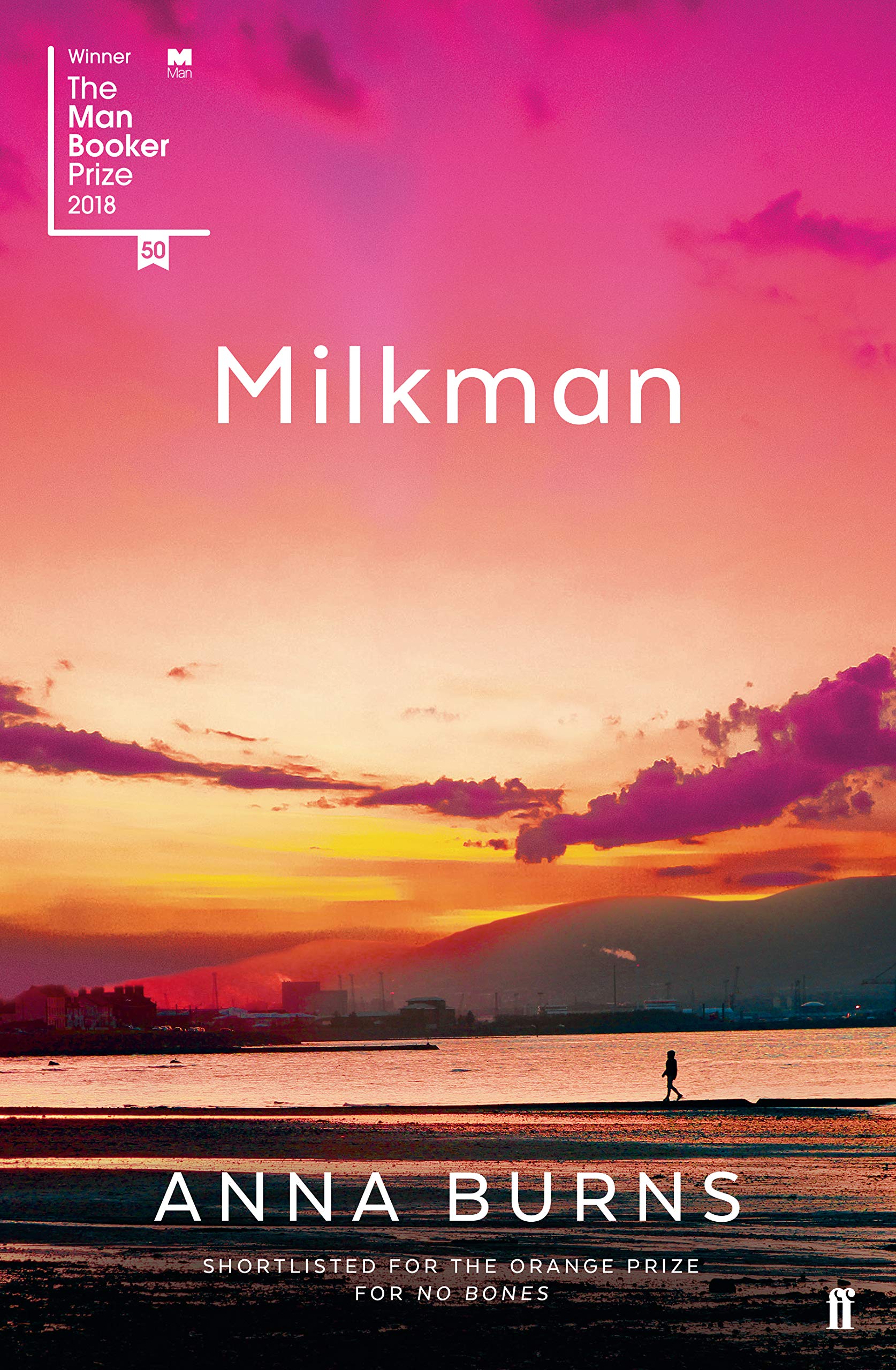
9. Milkman by Anna Burns


The winner of the 2018 Man Booker prize, I adored Milkman. It is one of those novels that you really need to sit and pay attention to it which is why it took me a while to read, because I wanted to make sure I was focusing enough on it to enjoy it. It is about an unnamed narrator and her neighbourhood, how gossip moves so fast, how friendship groups and family warp and split. How a teenage girl can grow up surrounded by so much talk. And of course... the Milkman. It is written in a style so much reminiscent of Joyce - long, long passages of thoughts and observations and feelings of everyday life. I loved this book by the end of it.


8. Memento Mori by Muriel Spark


Remember you must die. Muriel Spark is a writer I adore. Everything she writes is genius. This is about a group of elderly people at a care home who keep getting mysterious phone calls from an anonymous caller. And all he says is 'remember you must die'. And honestly, the care home is like a school playground the way the different characters react and interact to what happens to each other. It was both humorous and bleak, with a Muriel Spark twinge of mystery wrapped in there as well. If you are looking for a read which is quite off-beat and quirky, but with great quality storytelling and that is pretty funny, you would really enjoy this book. I recommend it to anybody trying to get into Muriel Spark's work.


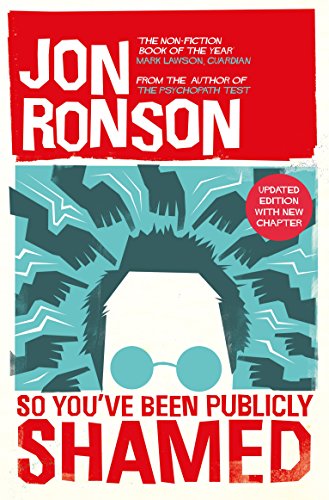
7. So You've Been Publicly Shamed by Jon Ronson


I liked this book so much in inspired me to write an entire conference paper just based on the things that it talks about. This is a non-fiction book looking at the victims of public shamings, and most of the time it's shamings that have happened on social media. People who have said one thing wrong online and the next minute have death threats in their inbox. Videos and photos going viral of things that both happened and didn't happen. It shows the way that the truth can really be warped online and people's lives can be ruined by one mistake they made in their past. This book more takes the side of the victims of public shamings, arguing that the people doing the shaming become just as bad as the people they do it to with the extent to which their words become aggressive and violent. I think it's a really interesting and relevant topic to talk about especially with the rise of 'cancel culture'.


6. The Goldfinch by Donna Tartt


I love Donna Tartt more than most things on this earth. She is probably my favourite woman. Honestly, she's amazing. The Goldfinch is such a famous book and I'm so glad I got to read it this year. I kind of think it's best to go into this novel not knowing much about it, because it's one where the characters just take you on a complete journey. The writing, as with all of her novels, is absolutely exceptional. I can't say much more about it without ruining the plot, but I'm so glad it was a long book because I thoroughly enjoyed spending long periods of time tucked up in bed and carrying on my journey with the two main characters. Just amazing.


5. Lanny by Max Porter


I liked this because it reminded me of our saint George Saunders and I finished it in 2 hours, which is a sign of a good book. This is another one I can't really describe, but in short it is about a boy called Lanny who goes missing. It is split into three very distinct parts, the second of which was my favourite part, and what I loved the most was how well a sense of atmosphere was created with-in it. It isn't told like a traditional novel, it plays on words and structure, yet it is both eerie and magical at once. Porter really has taken inspiration from some of the postmodernists of the early 2000s who played around with structure and showing without telling. This, for me, was a triumph, and I closed the book feeling like I'd read something magnificent. I was surprised it wasn't shortlisted for the Booker this year.


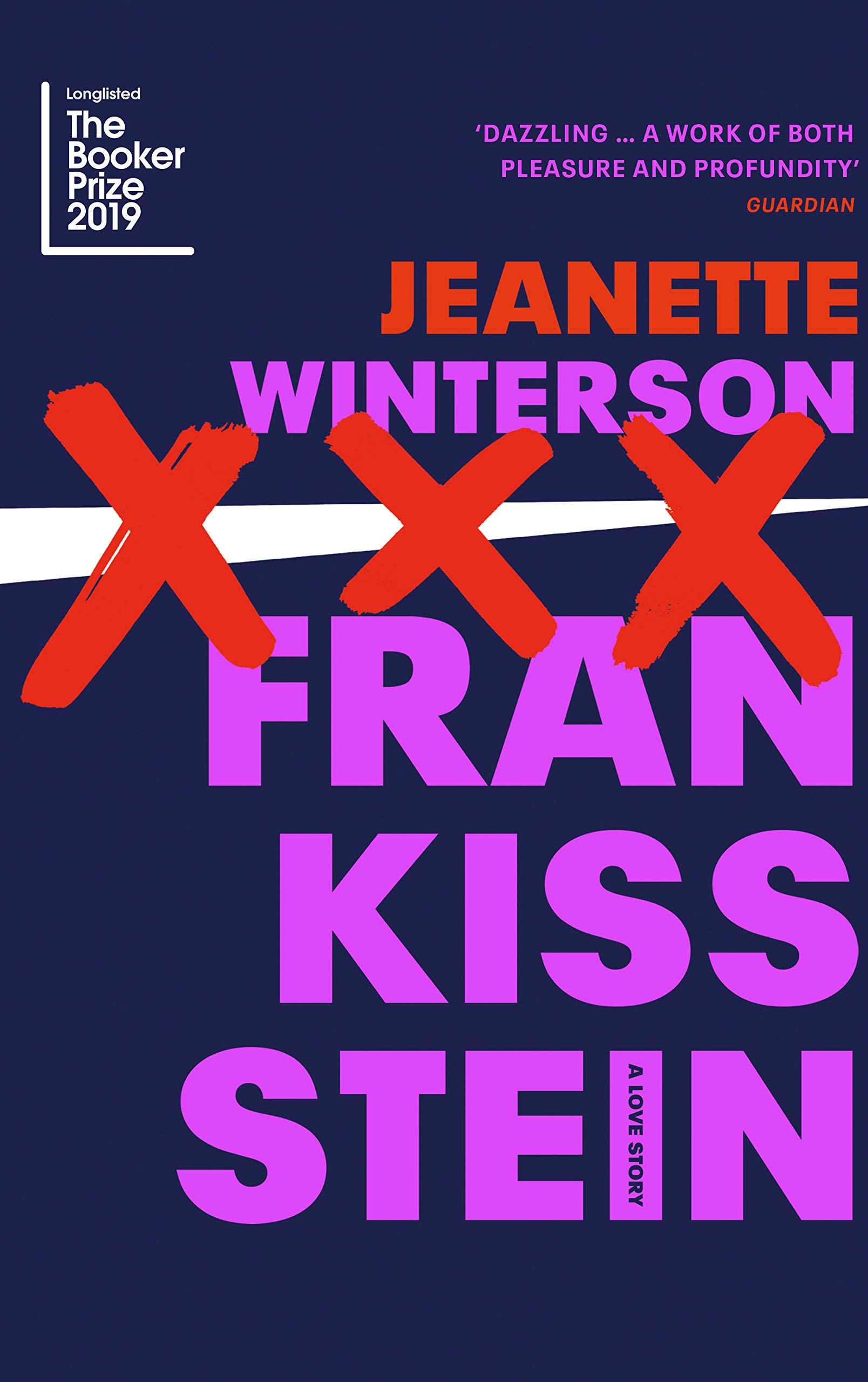
4. Frankissstein by Jeanette Winterson


How this wasn't shortlisted for the Booker I will never fucking know. This was incredible. It was more of a homage than a retelling of Frankenstein, and I think Frankenstein fans will enjoy it very much. One story follows Mary and Percy Shelley on the night Mary created the story of Frankenstein, and the years thereafter. And another story follows a transgender doctor called Ry who see themselves as a 'hybrid'. The novel tackles issues like artificial intelligence, sex robots, gender fluidity and ultimately questioning what it is to be a human. It is like Frankenstein for the digitalised age, without forgetting the Frankenstein that came before it. All of this, coupled with the beautifully crafted postmodern prose, is why it's one of my top books of this year.


3. Roadside Picnic by Arkady and Boris Strugatsky


My top three books are the only books on this list I would consider to be new favourites. And I never thought I'd love a sci-fi book as much as I loved Roadside Picnic, but I thought that about Annihilation too. And it's funny I should mention Annihilation, because this novel was very obviously one of the inspirations for VanderMeer's novel which explains a lot about why I liked it. This novel is a source material for the Russian film 'Stalker', which follows two men as they enter the 'Zone' (Area X?). The 'Zone' is a territory that doesn't abide by the normal laws of reality and seems to exist in it's own physical plain. Left behind are artifacts of extraterrestrial activity, and it is the stalker's job to enter this highly dangerous zone to retrieve them and sell them illegally. It is such a thrilling book, written beautifully, haunting and gothic and uncanny. I absolutely loved discovering this after how much I liked Annihilation. The passage in this novel where they explain what the title 'roadside picnic' means absolutely blew my mind and I think about it all the time. Such a wonderful piece of sci-fi.


2. Flowers for Algernon by Daniel Keyes


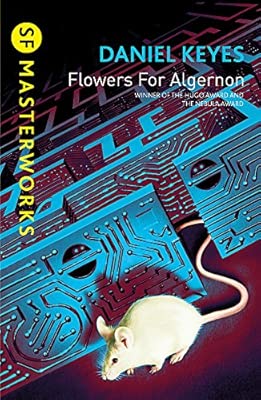
An absolutely heartbreaking novel that I finished right at the end of the year. It is about a mentally handicapped young man who volunteers himself for a psychological experiment. After an operation he comes a genius, his IQ soaring through the roof. But then the mouse who had the same operation before him, Algernon, begins to deteriorate, he understands that this will also be his fate. The writing is exquisite and the way Charlie grows and learns and then slowly loses control of himself is one of the most moving and upsetting things I have ever read. It has made me want to seek out a lot more classic sci-fi. I highly recommend this to fans of philosophical sci-fi as it is a very emotional but intelligent piece of work. It was just brilliant.


1. My Year of Rest and Relaxation by Ottessa Moshfegh 


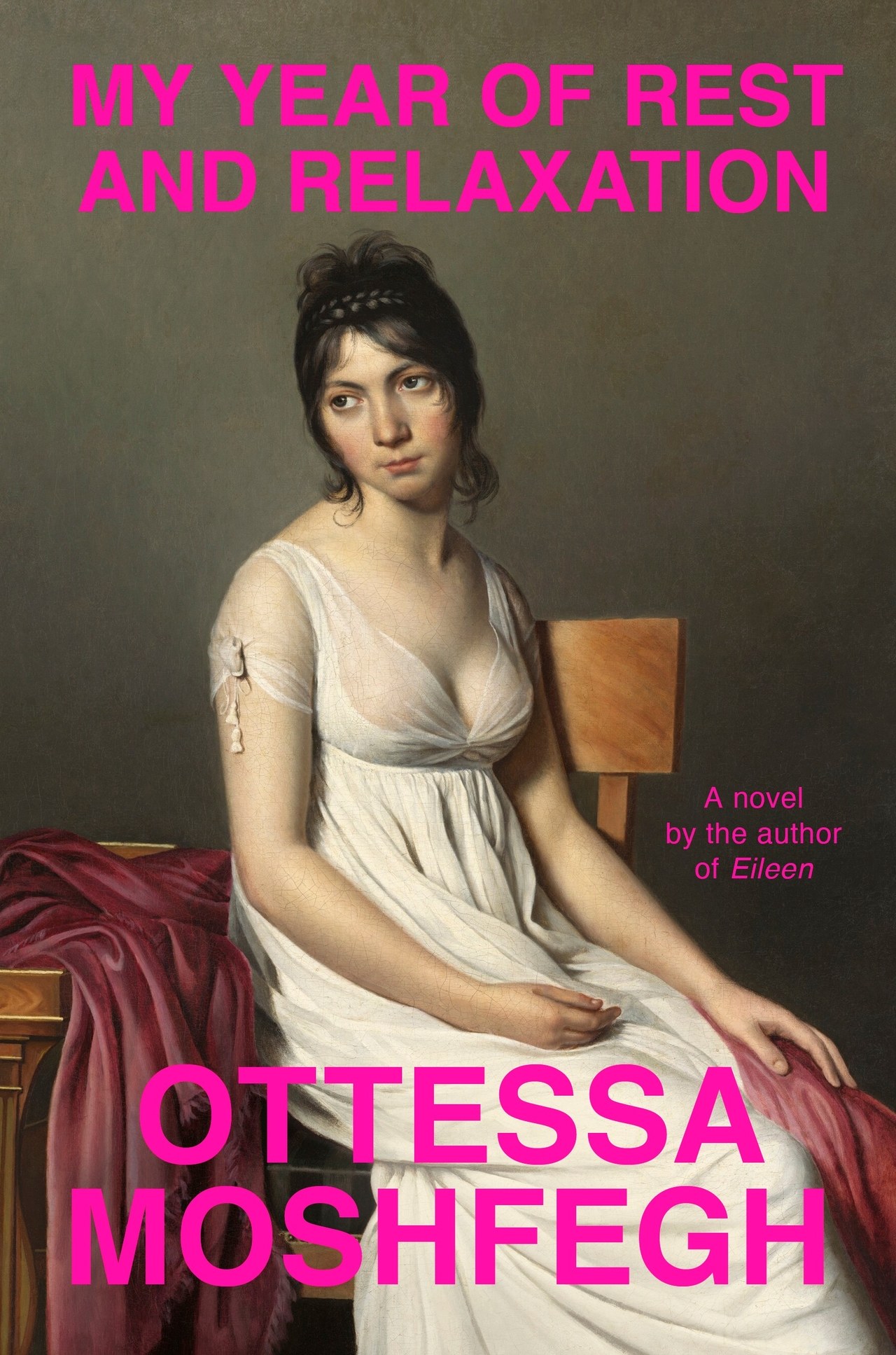
This is the greatest book that has ever been written. I know I say that about every single book I put in the number one spot but oh my god it's true. Nothing can top this. This is it. Ottessa Moshfegh has written the most perfect book in existence and I can only be glad I existed at the same time as it. It follows an unnamed Columbia graduate who lives in New York City, and all she wants to do is sleep for an entire year. I can relate. The writing is reminiscent of the cult and brat pack writing from New York in the 80s. It also reminded me a lot of Trainspotting by Irvine Welsh. Above all this, as it is set in 2001, it deals with 9/11. But the way it does so it so subtle and perfect it almost hurts. I love the way this is a comment on the numbness of American culture at the start of the millennium. I love everything about it. It's like if you take everything I love reading about and put it into one book... it's this. Okay I'll stop ranting now but honestly what a fucking book. Everyone read it.

I highly, highly recommend any of the books above. They are all wonderful, thoughtful, unique and interesting reads. I seemed to struggle a lot more this year creating a top ten but I think that's just because the more I read the less I seem to like (struggles of being a reader!). I hope this year has been a better reading year for you, and I'm also wishing for myself that I can finally read the books I've had on my lists for years and years and read some truly inspiring material.

Have a happy new year,

Rachel

Monday, 27 May 2019

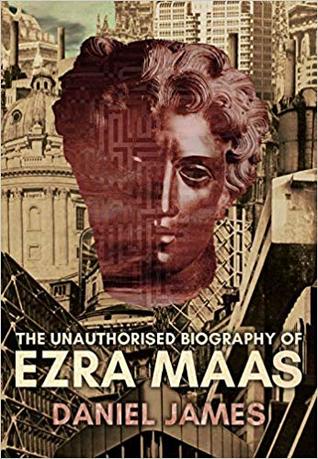
The Unauthorised Biography of Ezra Maas by Daniel James

About 30 pages into reading this book I got really sick. I don't know what was going on, whether I had the flu or a virus, but I felt terrible. My head was throbbing, my sinuses completely blocked meaning I couldn't taste or hear properly, I was up all night shivering underneath the blanket and I came down with a fever that left my skin hot to the touch. It only lasted a weekend but I stayed in bed all day drinking water and reading slowly. It only started to feel uncanny when I read that one of the characters - the editor of the book itself - had also broken out in a fever as he'd started to read it.

I know it was just a coincidence, but that's an extreme example of what Daniel James' debut novel does to you psychologically. It forces you to question not only the validity of what you are reading, but the reality of the actual events and people that it describes. I was very kindly sent this book by The Bleed magazine and I've been so excited to talk about it since I first picked it up, because it's not a novel you can just leave on your bedside table when you're done with it - you'll think about it all day every day, even after it's long finished.


So let's start off explaining what this book actually is. Instantly its structure reminded me of House of Leaves, and if you've read that book then you know what I'm talking about. Ezra Maas opens with an author's note from an anonymous editor explaining how dangerous the novel is. Already, James confronts us with something we are not used to, with the characters in the novel referencing and being aware of the very novel they exist inside. Like House of Leaves' haunting first line, 'This is not for you', Ezra Maas channels the idea of a book as space, its physicality being as important to the text as the plot or characters. This is done well before you even realise it - the title, The Unauthorised Biography of Ezra Maas, is both its fictional and real life title. And of course the word 'biography' already creates confusion in it's immediate suggestion of truth, fact, and real life. This is what James' novel is about at its core - confusing fiction and reality, and fusing the two together to create a haunting and postmodern statement about the fragility of truth.

Ezra Maas is an artist who has gone missing. But he's not just an artist, he's one of the most renowned mysteries of the 20th century. No-one can seem to pin down who he is. He has no past, only rumours of events and beginnings from the people who claimed to know him. Every word about Ezra Maas could be a lie, but there is no way of finding out what is real. Daniel James, the main character of the text but also it's author, attempts to do the impossible and write a biography of Ezra Maas and expose the truth of who he really is. We follow Daniel into a spiral of conspiracies and cults, and into the art world of Ezra Maas. Accompanied by an anonymous editor, who interjects the narrative with footnotes like a parental and trustworthy voice-over, the reader is as much a character as any of the other names in the text. After all, we are reading the very book that is being written about, we hold it in our hands, and thus we weave ourselves into it's tapestry of post-truth and alternative reality.

James describes his novel as an existential noir, but it's also more than that. Halfway through it really began to give me Paul Auster vibes as James turned into a detective who was chasing after a never-ending puzzle without an answer. And like Quinn from The New York Trilogy, James is constantly confronted with himself rather than the man he is chasing. Cities turn into labyrinths with no end point and no way out, and the story takes nihilism head on as we continue to devour the text, long after we've realised there are going to be no answers and no official end to what we are reading. We essentially become roped into James' labyrinth ourselves. What I also loved were James' references to the Tower of Babel and his exploration of language. It is language that both binds and breaks this novel, as the manipulation of it is what creates out distrust of the real. James' ultimate message is that language cannot be trusted, but it is also all that we have.

There are parts of this novel that I really wanted to know more about. I don't know if 'I wanted more' is actually a criticism, but that's my one fault. I wanted to know about Jane, who was taken to a mental institution and died in uncanny circumstances before James could see her; I wanted to know more about the stunt at the end of the book; I wanted to know more about Maas's childhood and his strange psychologist. I really loved the ambiguity of the ending, but I just wanted more information  on the steps that were paving the way for James' investigation. I guess it just left me still hungry, which is what a lot of my favourite books have done. Answers are often less satisfying that not knowing, but there was pieces of intriguing information in the middle of the book I would've liked to see more written on.

The Unauthorised Biography of Ezra Maas is a book I'm going to be thinking about for a long time. I really, really loved my time with it and an desperate for other people to read it so I can chat about it with them. This is a clever and addictive piece of postmodernism, taking cues from contemporary horror novels like House of Leaves but also from 20th century texts like The Dice Man and The New York Trilogy. I would highly recommend this novel if you are interested in the ideas of truth vs reality, the postmodern condition, 20th century culture and general mindfuckery that will leave you in crisis when you close the book. This is an astounding debut, with a level of research I haven't seen before in a first novel. I hope James can write another book this compelling, this unique, and this important.

Saturday, 25 May 2019

In Defense of Taking a Break

In March 2017 I wrote a blog post titled 'In Defense of Taking a Break', and I never published it. I'm not sure why I let it lie dormant, but on reading it back I think it's a very honest and important piece of writing about work expectations and intensity in academia. It's so easy to put pressure on yourself in an environment where everyone is expecting us to succeed. I wrote this at one of the most stressful periods of my life, and it shows. But I also think it was necessary and therapeutic for me to write all of this down.

I know that sometimes life doesn't allow us to have breaks. We get hit by things that we can't control, our bodies fail us, we have to put our attention on 100 different things at once and physically can't spare a moment for ourselves. Sometimes life turns breaks into a luxury. But I hope that by publishing this now, when I know I managed to survive it all, it can inspire someone who is able to sit back from their work for an hour, or even a day, and embrace doing nothing.


We live in an era of human productivity, where if we aren't studying, working or moving towards something lasting and worthwhile then we are wasting our time. This toxic culture of non-stop efficiency prevents us from being human - we are forced to act like machines, working non-stop, placing no emphasis on our mental and emotional needs as sensory and organic beings that physically cannot work up to Western capitalist standards. One video by The School of Life challenges our obsession with productivity by arguing for the importance of staring out the window, and I want to similarly argue why taking breaks isn't just helpful but fundamental in order to be able to function as a working human being.

I'm currently doing a Masters degree in literature at the University of Sheffield, and nobody told me I was going to feel the way that I do. I miss my old university almost every day, I can't find places to work, I am unmotivated to do anything about my assignments. And it seems like this is just masters degree culture - I will run into other masters degree students I know and we will ask how each other is. Both of us will shake our heads in horror - we aren't fine. Personally, I know that I have burnt myself out, but like some sort of demented broken car with it's wheels and doors falling off I am still managing to slowly roll towards my destination. No-one told me it was alright to have a break.

My third year of university was the most productive year of my life. I read around 70 physical books between September and June, both for my course and for pleasure, not counting the non-fiction and critical theory I read for my research. I wrote 9 essays, one being a 10,000-word dissertation I worked on for 8 months. During this time I would make myself wake up at 7am every morning and start reading, then I would spend the rest of the day researching, writing and studying. If I had nothing planned I would go to the library at 10am and stay there for around 6 hours, sometimes until as late as 6pm. In the evenings I would read books and articles on the sofa whilst I ate my dinner or watched TV. Then before bed I would read to wind down. I did this everyday for 8 months.

At the time it was fine - I was getting work done at an alarming rate, reading books fast and not seeming to suffer consequences. But what people don't really realise it that productivity and creativity come in cycles. On one end you can be constantly producing and creating things, and on the other you take a break and use it to absorb information, find inspiration and recharge yourself for another creative spout. In between are moments of transition, feelings of both motivation and tiredness. This span of 8 months was definitely a time of productivity, but I didn't give myself the break afterwards.

Once I handed in all of my assignments for third year I was happy to just be able to read whatever books I wanted to read. But my reading pace fell over the summer which upset me. I couldn't concentrate on a book. I would read ten pages and feel like I had to put it down, because I was feeling so mentally drained from the effort I put into third year that my body just wasn't ready to concentrate on reading again. But I couldn't go without reading, so I carried on reading all through the summer, at a very slow pace compared with other periods of my life, but I was still reading. I know my body was dying just to rest, and in a way it managed to get this for a few months.

I started a masters in September, itching to get back to academia again and feeling motivated to work. But summer hadn't been a long enough time to recover. Not at all. My close friend and I who moved to the university together ended our first day of seminars crying, telling our parents on the phone that we wanted to drop out. It got better, definitely, but there was such a lack of motivation to start anything, to read anything, to formulate new and exciting ideas because we just hadn't let ourselves level out from the intensity we'd put it through earlier that year.

I'm writing from a position now where I'd just had four days off because I've been ill. My head has been pounding, my eyes have been sore, I've had a fever and my brain has been foggy. We are coming up to assignment deadlines and I know I worked myself too hard this week and am feeling the physical effects of stress. I am a stressful person anyway, and previously have had physical stress symptoms to the point where I've skipped my period or started stuttering because I'm so wound up. But I hadn't been that ill for a while, not since my GCSEs where I was ill for an entire month during the exams, just because of how much mental pressure I put on myself.

There isn't an answer here. I can't give myself time off because I have deadlines to meet. I have another dissertation to produce at the end of August so can't let myself relax over the summer. But we need to start educating young academics about the harmful effects that work and stress can have on your body and why it's so important to look after your mind at a time when it is needed most.

I have been burnt out from this degree since about January, and a masters degree is such a step up from undergraduate there is an entirely new blog post to be written about that. But the culture of productivity we place on young people today, who work during weekends, who can't sleep, who pull all-nighters in the library, needs to be demolished. I love feeling productive and I loved how I felt the year that I got so any things done, but I am still feeling the effects of it a year on as I stare at a page of the book I've just been reading, unable to retain any information and unable to feel as though I can carry on reading.

You are allowed to take breaks and I encourage you to take them as often as you can. Humans can't function like machines and shouldn't be expected to. It's only through stepping back when you have the time and letting your mind be passive that you open yourself to the ideas and motivation you will need in the future.

Friday, 15 December 2017

Top Ten Books of 2017

At the end of 2017, I wistfully look back at the end of 2016 and how amazing my reading year was. This year was tough in terms of reading because, honestly? I'm so tired. This year I finished a 10,000 word dissertation, completed my degree and started a new one, moved city, visited friends all over the country. Usually the summer gives me the time to read as much as 15 books in a month, but this summer was different. I was so mentally exhausted from the sheer amount of academic reading and work I ploughed through in the first half of the year, that I didn't read as much.

That's not to say I didn't read at all, because I did, and I read some great books too. I just started noticing I wasn't picking up my book as much, and it was taking me longer to finish a 300 page book than it usually was. It kind if upset me, but I knew I that I just needed this time to slow down. I haven't read 100 books yet, but I'm incredibly close and so I'm hoping I can get there by the end of the year.

A few honourable mentions before I begin go to Fear and Loathing in Las Vegas by Hunter S. Thompson, Chavs by Owen Jones, Glamorama by Bret Easton Ellis, Raise High the Roofbeam Carpenters by JD Salinger, and Poet in New York by Garica Lorca. All of these were way up there, but didn't quite make the list.

10. Gwendy's Button Box by Stephen King and Richard Chizmar
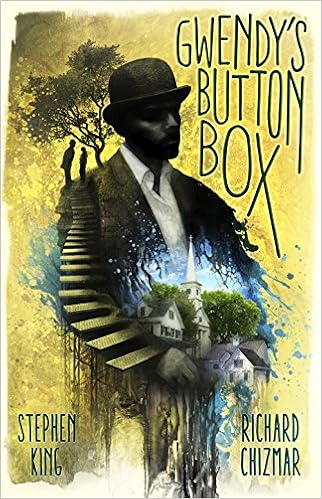
This is a novella that King and Chizmar released mid-year, and I wasn't expecting much from it because I didn't seem to be enjoying much of the King I was reading anymore. But this was fantastic and I read it in less than a day. I just couldn't stop. Something about it reminded me of those King books I used to love and get completely lost it - and this novella had it. It's about a girl who one day meets a mysterious man on a clifftop, and that's all I'll say. Find out the rest yourself.


9. Rules of Attraction - Bret Easton Ellis
Number nine is actually every Bret Easton Ellis book ever because I read the entirety of his works in 2017. But for some reason, Rules of Attraction was the one I had the most fun with, and so it's this one that's made the list. It's a campus novel, following three narrators as they go through college, meeting each other, drinking too much, partying and sleeping with whoever they want. It's funny but also depressing, and the little references to his other novels make it so worth while for people who love cameos.


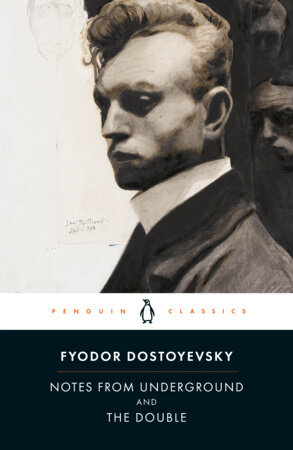
8. The Double by Fyodor Dostoevsky
This book actually screwed me up. It's the first thing I ever read from Dostoevsky and I'm actually glad I began with this one. For those of you who don't know, I'm really intrigued by the idea of the uncanny and doubling. Freud talks a lot about it which is quite interesting, but most of the theory on this comes from stuff about the Gothic. Anyway, in this story, a man discovers that his exact double is working at the same firm as he, but he's better than him in every single way. It's an amazing existentialist extravaganza and gave me a mental breakdown but I loved it.
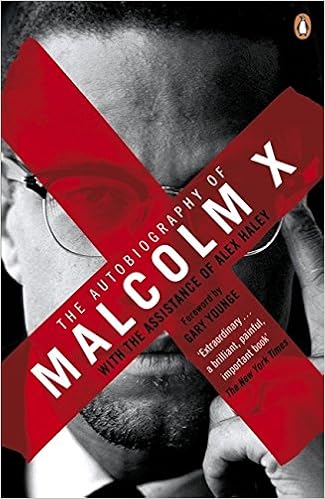


7. The Autobiography of Malcolm X
A story that has stuck with me ever since I read it. Malcolm X is a figure you see talked about everywhere, but I think very few people know about his backstory and his journey to becoming the person seen in the media. This book gives you that insight, dealing with his time as a teenager in the ghetto, and about his religious experiences and trip to Mecca. All of it was fascinating, especially from a race relations point of view. I couldn't stop reading because his journey was captivating and took him to so many places, and it allows you to confront points of view you might not necessarily agree with, but want to learn more about.
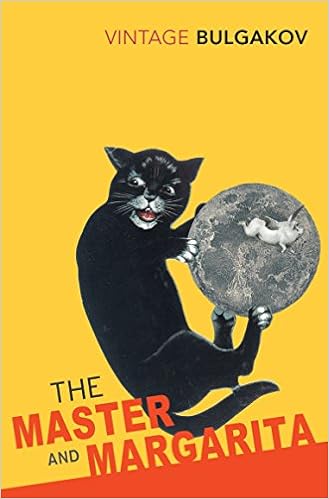


6. The Master & Margarita by Mikhail Bulgakov
I can't even sum this novel up into words, but I'll try. It's a Russian absurdist novel about when the Devil comes to the city and starts messing with everyone's lives, and there's also a love story going on between a writer in a mental institution and the Margarita, and there's this whole Jesus and Pilate subplot and it's absolutely crazy but one of the best written things I have ever read. You just need to read this, as crazy as it sounds. It will change your life.


5. Julius Caeser by William Shakespeare
I saw this play performed by the Royal Shakespeare Company in the summer and it was probably one of the best productions I've ever seen there. I went back and read the play and it was just one of the most exciting, complex and engaging Shakespeare plays I've read. It's both a hopefully and tragic story showing the rebellion led by Brutus against Julius Caeser. It is followed closely by Anthony and Cleopatra which I didn't like as much, but this play is now up there as one of my favourite Shakespeares.


4. Selected Poems 1923 - 1958 by EE Cummings
I told myself I wanted to read more poetry in 2017, and so I did. I'd had this collection on my shelf for the longest time, and I was really feeling in the mood for it. Cummings poetry is so unique in that he refrains from using punctuation and capital letters, opting for poetry which looks as though it has been scrawled messily onto the page. But the rhythm it evokes is absolutely wonderful, and Cummings voice is both cynical and romantic in a way that I really needed at the time. He writes a lot about romance, war, and patriotism, and is one of the best American poets of the 20th century. If you haven't read his poetry before, I would recommend this collection as a way to get into it. It was absolutely stunning.


3. Inferno by Dante
More poetry! I joint read this with a close friend and the two of us fell in love with it. Dante's Italian classic epic poem is about a man who gets taken down through the circles of hell and finally to Satan himself. I'll be honest, it was actually terrifying. My edition came with a map which showed you all of the circles he passed through as he described them. Once he got to the centre was legitimately shaking because it was so scary. But the translation I had was wonderful, and the story has been an inspiration for so many modern stories.


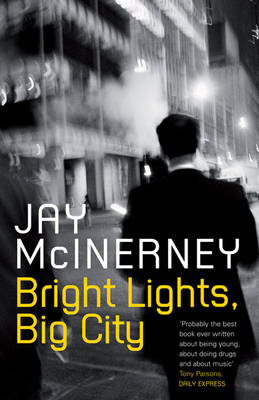
2. Bright Lights, Big City by Jay McInerney
I would read this book at 1am in the morning. I would read it whilst I was eating. I would read it whilst I was walking. This novel was freaking incredible and I didn't want it to end but at the same time I couldn't stop reading because I was so addicted to the writing, the setting and the characters. McInerney was writing around the same time as Bret Easton Ellis and the two were casual friends. This novel is about a young, aspiring writer living in New York who can't resist the hedonism around him. It is actually the best thing in the whole world. At first I was sceptic because it's written in second person, but once I was in, I was IN. It's so good. You just need to read this now okay.


1. Invisible Man by Ralph Ellison
THIS BOOK. Obviously, it is the best thing I have read all year. I remember being half way through and reading it at the train station and just being completely blown away by what I was reading. Some of the sentences were just so beautiful that I had to underline them and write them down somewhere. This is about a black man living in New York in America, and having to navigate the city amongst the battle for Black Civil Rights. It is an incredible novel, filled with the existential tones of Dostoevsky's Notes from Underground, as well as taking the jazz age and space of New York in with it. It contains probably one of the most powerful speeches I have ever read in my life. You need to do yourself and favour and read this incredible book because I will never stop talking about this for the rest of my life.


So there you have it, the best books that I read this year. I highly recommend looking at every single one of these books, because they have stayed with me for the best reasons. Though I wasn't really happy with my reading this year, on reflection I find that I've still discovered some gems that have influenced my reading life for the better.

I hope everyone has a good year and that you read some incredible books too. All the best for the books ahead.

Rachel x

Thursday, 22 June 2017

Wittenberg: An Extract

He took my hand on the walk back to my apartment. It was so bony and fragile that it felt anything but comforting – instead it reminded me that he probably wasn’t eating, wasn’t leaving the house, wasn’t getting up from the chair in the corner of his room. Yet I could feel what it meant to him to touch somebody again. I wondered how long it had been since he’d seen Adora; from her diary I later found that since the Chancellor’s death he had been ignoring her phone calls, as with the rest of us. She’d phoned him every day at first, then less, until Maria finally answered and told her what was going on and that she shouldn’t take it personally.
I felt very sorry for Adora during all of this. it was the first time that I cried whilst reading her diary. She had sat for weeks believing that something was wrong with her, trying to figure out ways to see him, wondering if she should drop by at his house. But she wasn’t brave enough. Not back then.
The sky had started to turn dark behind us, but the colour we walked towards was lilac. It illuminated Gideon’s face in a way that didn’t look right. I’d always been jealous of the warm tones of his skin and the gentle creases around his eyes whenever he laughed. It made him look alive. This lilac made him glow, but it was a ghostly glow. The colour his father’s face had been just hours earlier.
“Thank you for rescuing me,” he said, keeping his eyes trained on Kingsley who was dancing his way down the road in front of us. “I don’t know how long I would’ve stayed there. I didn’t know what I needed.”
I shrugged. “We were worried about you.”
“Sorry,”
“Don’t be sorry. You needed to be upset, that’s fine. Just don’t ignore us next time.”
He let go of my hand at this point, and darted forward towards Kingsley. Gideon vaulted himself onto his shoulders and the two of them fell forwards in tangle of limbs. I wondered whether Kingsley was sober yet or if he was back to his normal school-boyish brashness. The whole movement made me fearful to break his heart. He’d escaped the house to escape his father – not for good, of course, but just for a moment. Just for now, we had nothing to do with the Chancellor or Maria or Claude and for a while he could pretend nothing was as insane as it was. Knowing Gideon, he’d hate himself afterwards for trying to escape, but whilst he was away from it I could see in his eyes that it’s what he needed.
Lorcan read me – he was good at that. “Are you still going to tell him?”
“I can’t not,” I said, hushed, although Kingsley’s laughter probably drowned me out anyway. “He needs to know, Lorcan. There’s something not right about him. He’s never been upset about something like this in his life. Perhaps it’ll give him closure.”
“Or perhaps it’ll open a fresh wound.”
“Can’t you just have some optimism about this whole situation, please?”
“Hey,” He grinned. His teeth were so white against the blackness of his skin that his smile always dazzled me for a moment before I caught myself. “I just want you to blame yourself and not me if it all goes wrong.”
I clapped him on the back. “Wow. You’re a good friend man.”
The lights had been left on in my apartment and so my windows were illuminated to the far side of the street. I didn’t even remember them being on when we left but they must have been. In any case, it made me feel better to walk into a flat that hadn’t been sitting in the dark for hours, and it didn’t take long for us to push the coffee table to the side and spread out on the floor with shorts of rum held delicately in our hands. Gideon fiddled with the record player and carefully set a vinyl playing. It was Sam Cooke, one he always picked whenever I entertained him here.
“I’m going to need you to fill me in,” Gideon said, his glass already half empty. “I feel like I’ve been in a cocoon. But also like I haven’t really left it. Do you know what I mean? It’s like with you guys I have a bit of breathing space. I can feel tiny little wings.” I nodded. Something had got him high. “So tell me. Tell me everything.”
Lorcan coughed. “We spent the last four weeks trying to get a hold of you and that’s basically it.”
“So did Adora,” I added.
Gideon’s smile dropped. “Fuck. Adora.”
“Yea,”
“Is she okay?”
“I don’t think so, but she’s dealing.”
Gideon knocked his head back and finished the rest of his rum with a graceful swoop of his arm. The bottle stood on the table next to us, and he grabbed it with desperation, filling it to the top and forgetting the mixer. “How’s Heather?”
“You should ring her.”
“Heather?”
“Adora,”
He shook his head and placed his glass down. “I don’t want to talk about Adora. Have you got any food?”
We watched him stand and make his way over to the kitchen. I expected Kingsley to go with him – he must have been hungry by now – but the three of us watched him kick in to overdrive and begin raiding my cupboards like a starving orphan. I had to look away and take a large sip of my drink, revelling in the warmth that it spread all the way down my throat and realising that I was dangerously dehydrated. “I’m going to make a cup of tea. Do you want one?”
Kingsley’s hand shot up. “Me, me! Wait!” He crawled over to where his backpack was still sitting on my sofa and rummaged around in the front back. He pulled out a bag of dope and handed it to me. Great.
Gideon was eating cereal against the counter. I didn’t even know I had cereal. “Want some tea?” He shook his head, so I filled a pan with water with my hands shaking and let it start simmering on the stove, thinking about how I was going to tell him about his father.
“We should invite the girls. Heather and Moira. Adora.”
I sighed. “We shouldn’t.” Kingsley had given me way too much dope, but I started crushing it together with the last remnants of butter I’d scraped out of the bottom of a tub. This was supposed to be saved for chocolate cupcakes I promised my mother I’d bring home over Christmas. I smiled at my insolence. 

Sunday, 30 April 2017

How I Learnt to Love my Shoulders

I was always afraid of bones. I knew what skeletons looked like and I knew where bones were meant to be, I just didn’t quite realise that I had any. The only time I’d seen the shape of a skeleton was when I glimpsed it at the back of a biology classroom, standing partially hunched forwards, its jaw hanging and its teeth naked in an uneasy smile. It wasn’t difficult to look at, that way. They weren’t real bones. It was an ornament to move and measure and observe. Its plastic existence was far away from my own.

When I first saw the bones that belonged to me I was scared. First my knee caps, that had always been somewhat visible and rounded, had become sharpened into squares that jarred into the strip beneath my skin whenever I tried to climb the stairs. Then it was the bloated column of my backbone that people could feel when they wrapped their arms around me. Every time, I would recoil like their touch had intruded on a part of my interior assembly that was never supposed to be visible. I took off my clothes and looked in a mirror, blinking at my body which was only a skeletal statue, not wanting to believe something like this moved inside me. Hip bones reached out like two white palms. My jaw was so angled I felt like I could detach it from my head and there would be no flesh to tear. Every part of me was chiselled away, filled with hollow concaves that hurt to press.

Another face lay beneath my own. I wondered who it was. Why it had decided to come and say hello.
This morning, it is two years later. I took a shower, and slid my hands over my shoulders. It was the same action I had done twice before, running my hands across my shoulders towards my forearm and back again, feeling the smooth, unstoppable slope of flesh underneath the water.

It had been my shoulders I had missed the most when I became a skeleton, oddly. I’d never looked at my shoulders before. They were just things I had, things I slipped t-shirts over, things I scratched, rubbed, pinched. I didn’t realise I could lose them until I rubbed my hand across them one day and felt none of the cushiony skin that I was certain had always been there. Instead there was only bone, protruding proudly from its nook of non-existence. I fingered the crook where the end of my clavicle had forced its way out. My shoulder had eroded from a neat slope to a cliff drop, and it was taking every other part of me down with it. For so long this bone had been invisible, now there it was. It was so ugly to touch that I almost vomited. I grabbed a cardigan and wrapped it tightly around my arms, wondering if I would ever keep them or if they were destined to be chipped away too.

This morning I remembered the first time I was brave enough to touch them again.  I remember feeling its curve, smooth like the stroke of a paintbrush. My hand went all the way down my arm and I clutched onto my own fingers, squeezed them. I couldn’t stop feeling my own skin, the fullness of it, the softness of it. The flesh that for so long had dropped from my body every time I took a step was coming back. I was returning.

Today, I try to understand my relationship with bones. I stand in the mirror and wonder where they have disappeared to, perhaps somewhere underneath the soft cushioning that now knocks into tables and squashes against chairs. At times, I wonder maybe if by discovering myself I am destroying someone else I could’ve been. I will never know.

The only thing I know is that I have fallen in love with my shoulders. My shoulders that ache from tension as I hunch over computer screens, that slave over tote bags full of paperbacks, that I now let get kissed by the sun in clothes I’m not scared to wear. They hurt me, but the tremble that crept its way down my body when they came back was nothing I will feel from someone else ever again. No-one will ever know why their outline is so important to me. No-one’s touch will ever compare. I can never have a lover so full of joy for my being as much as I was able to fall in love with this little part of myself.

I try and recreate this passion but it never works. I try to extend it to other things, but it is a sensation I cannot replicate. All I know is that I want everybody to feel like this. Even for a day. Even for an hour. About one tiny part of themselves. I want love like this to be everywhere because too many people don’t know it exists. Too many people think they need to rise from ashes, bloom like a flower, strip themselves from their old skin until they have achieved a mythic-like metamorphosis. But you can achieve love how you are and as you are. I wish I could know this myself.


It’s okay to love the touch of your skin, watch it brighten in the sunlight.

Saturday, 8 April 2017

Small Thoughts on The Catcher in the Rye

Recently I read J.D Salinger's The Catcher in the Rye for the ninth time, and even though I believe it to be the book I understand most in the world, there's still one overwhelming question I want an answer to. Why does Holden want to protect innocence? What was the overwhelming cause for the obsession with saving children from the dangers of adulthood?

Though my life I've done a lot of research on Salinger as a man and I like to think that I've got a good idea as to why he wrote the things he wrote, and how his real life experiences translate into his fiction. But first, I wanted to find out what other people thought about this question. Maybe I was missing something and there were other Catcher experts out there who would be able to enlighten me on the reason Holden acts why he does.

I found the series of videos that author John Green had created on Catcher that you can watch here. In the comments, someone suggested that Holden was "sexually abused as a child ... why don't people ever catch on to this!?" Whilst I disagree with the frankness of their claim, I do agree on a second look at the evidence. When Holden wakes to find Mr Antolini patting his head as he sleeps, he claims "that kind of stuff's happened to me about twenty times since I was a kid". There's certainly a reading here that suggests Holden has experienced some kind of sexual abuse from an adult in the past, but one also has to take in to account that Holden is extremely unreliable. What exactly does he mean by "stuff"? It is a very slippery sentence, and the fact that Holden is prone to over-exaggeration makes me in two minds about any kind of sexual abuse. Yet of course, there's still definitely the possibility that this could be the case.

But one further comment I really disagreed with was the claim that "Salinger puts aspects of himself into the characters he creates so this probably happened to him as a kind ... writing this book was his way of self-therapy/cry for help in saying things he just couldn't bring himself to say in real life".

WHOA. HOLD ON. Big claim there. As far as I know there is zero evidence that Salinger was ever abused as a child (though I'm not denying it could've easily been covered up), and just because Holden might have been abused does not automatically mean that the writer themselves has gone through the same thing. Though I definitely think Salinger translates his own experiences into his work, and especially with Catcher, I think without any further evidence the claim that Salinger was abused just because Holden alludes to it is far to much of a stretch.

My own view on this matter comes down to something very different: the war. Salinger fought in the Second World War and many critics and personal friends of his have concluded that he suffered from shell-shock as a result of it. On my ninth read, I picked up more references to the war than before. There is a small section where Holden talks about how he used to refuse to give Allie his BB gun to play with. The gun is a symbol of corruption, trauma and loss for Salinger, and by refusing to give it to Allie shows how Holden tries to protect him from the horrors of adulthood that Salinger experience through combat. Adulthood for Holden comes through experience, and for Salinger this experience was damaging because of the war, and not sexual abuse.

Though sex definitely plays a part inside the novel, I would say that it is more relevant as a signifier of adulthood than as a direct cause of why Holden is protecting others from experience. I will be doing another post soon on the role of sex and sexuality in the novel, and why I think Holden is asexual. For now, though, my reasoning for Holden's personality lies on the speculation of war. Of course, without having a conversation with Salinger nobody will ever know, but I think discussion is as close as we will come to finding out.